Lightweight Electric Mountain Bikes (SL)
Lightweight SL eMTBs use smaller, lighter motor and battery systems for a ride feel closer to an unassisted mountain bike, while still giving you assistance on the climbs.
19 bikes
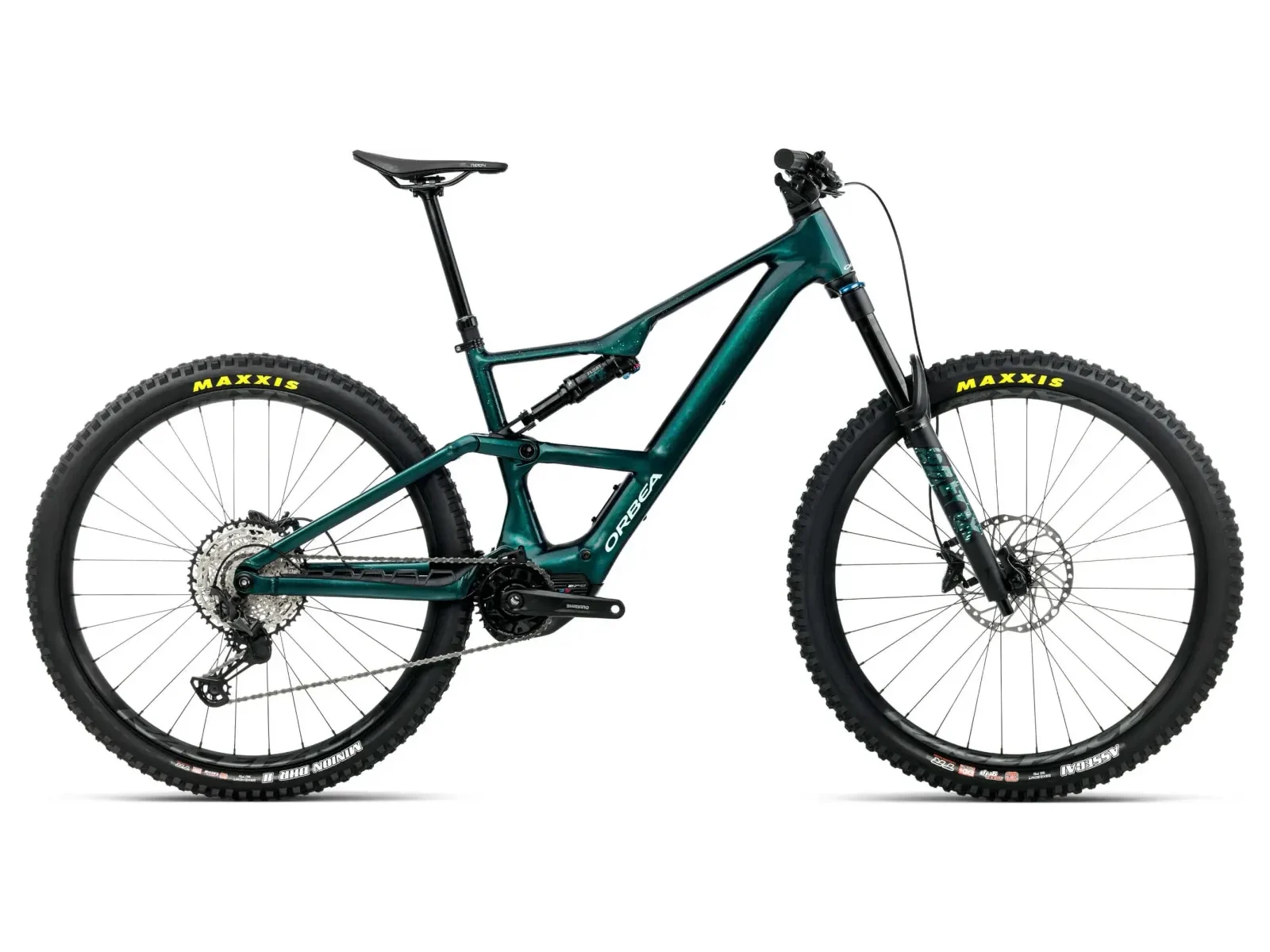
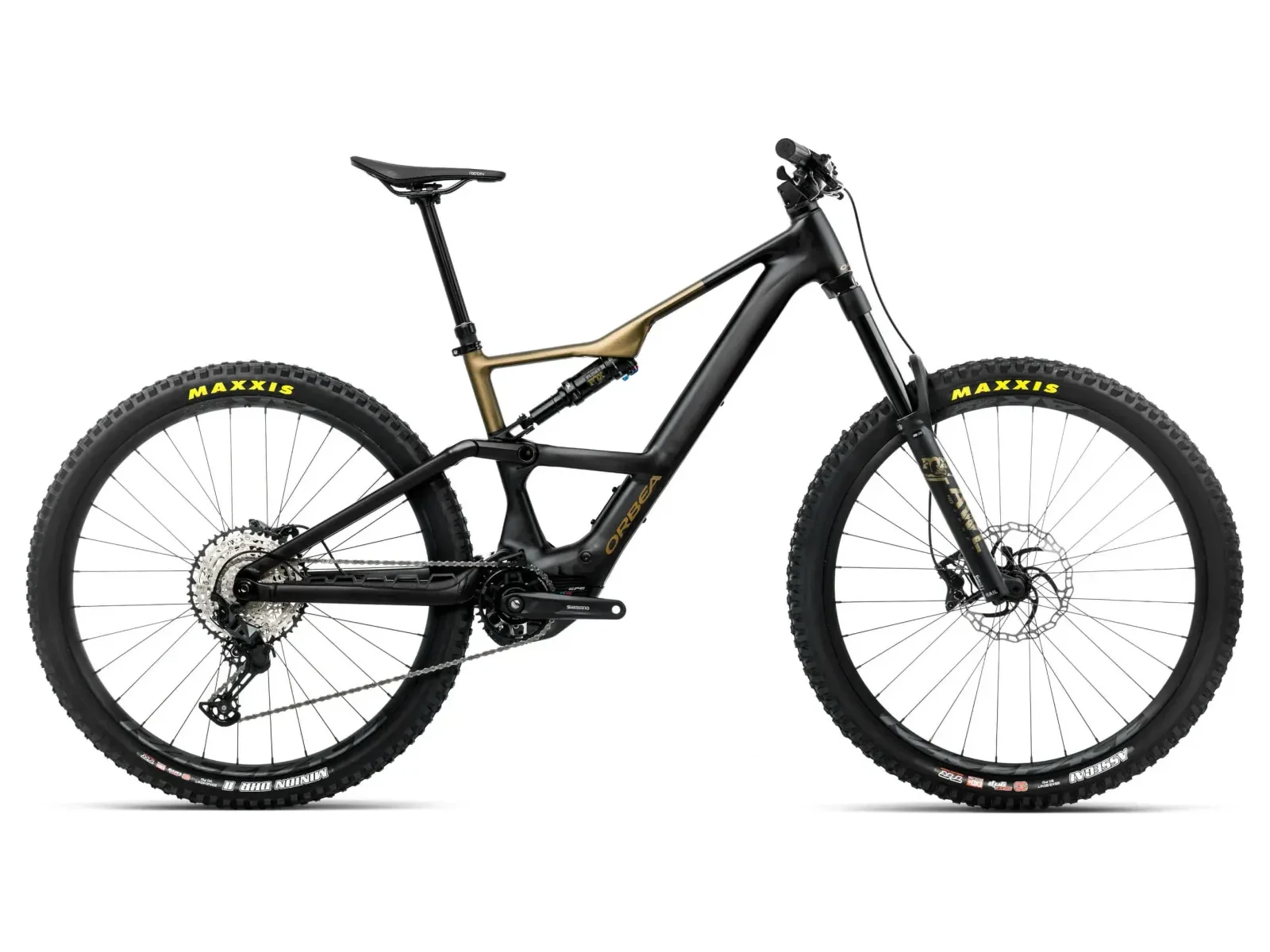
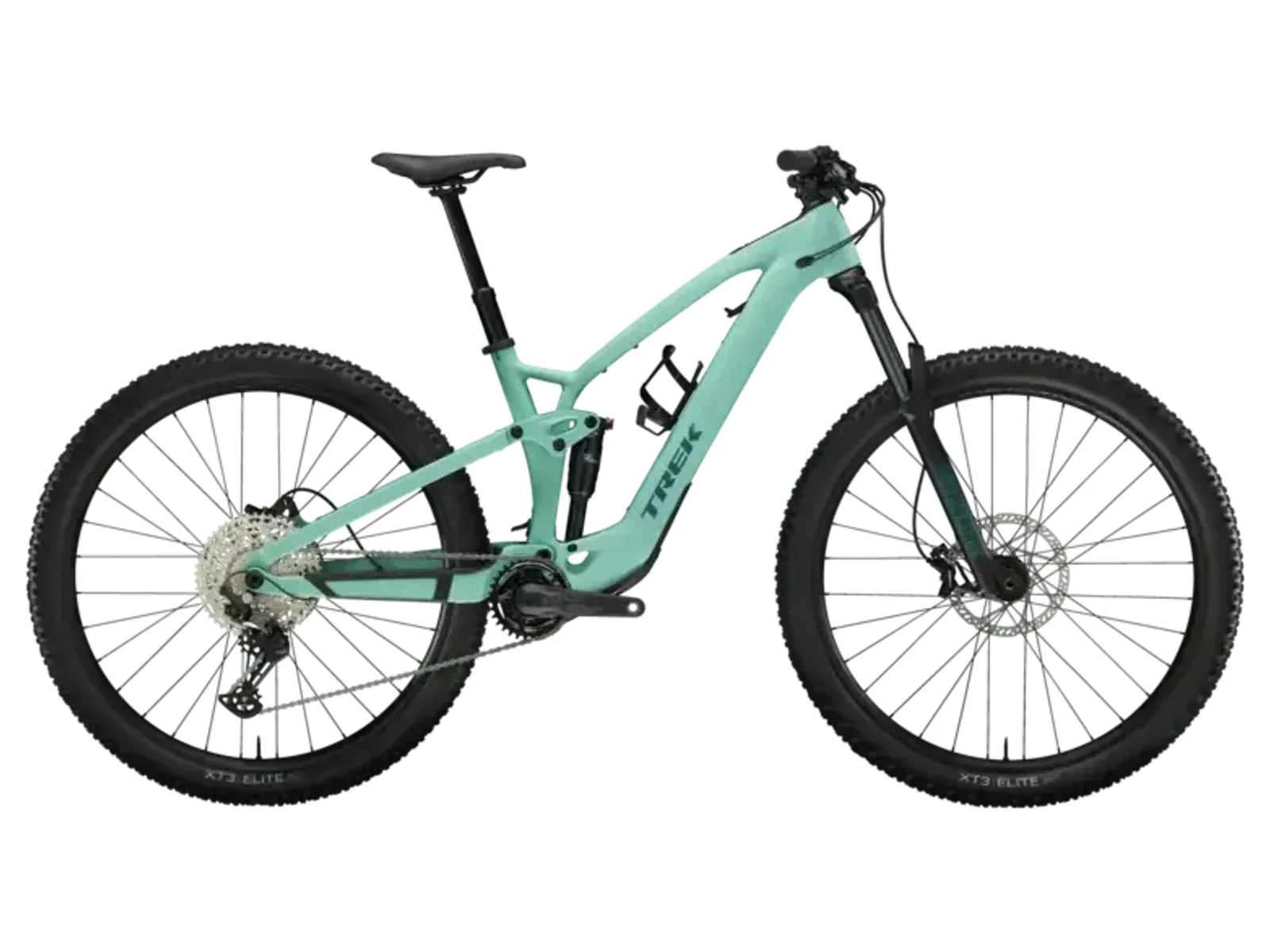
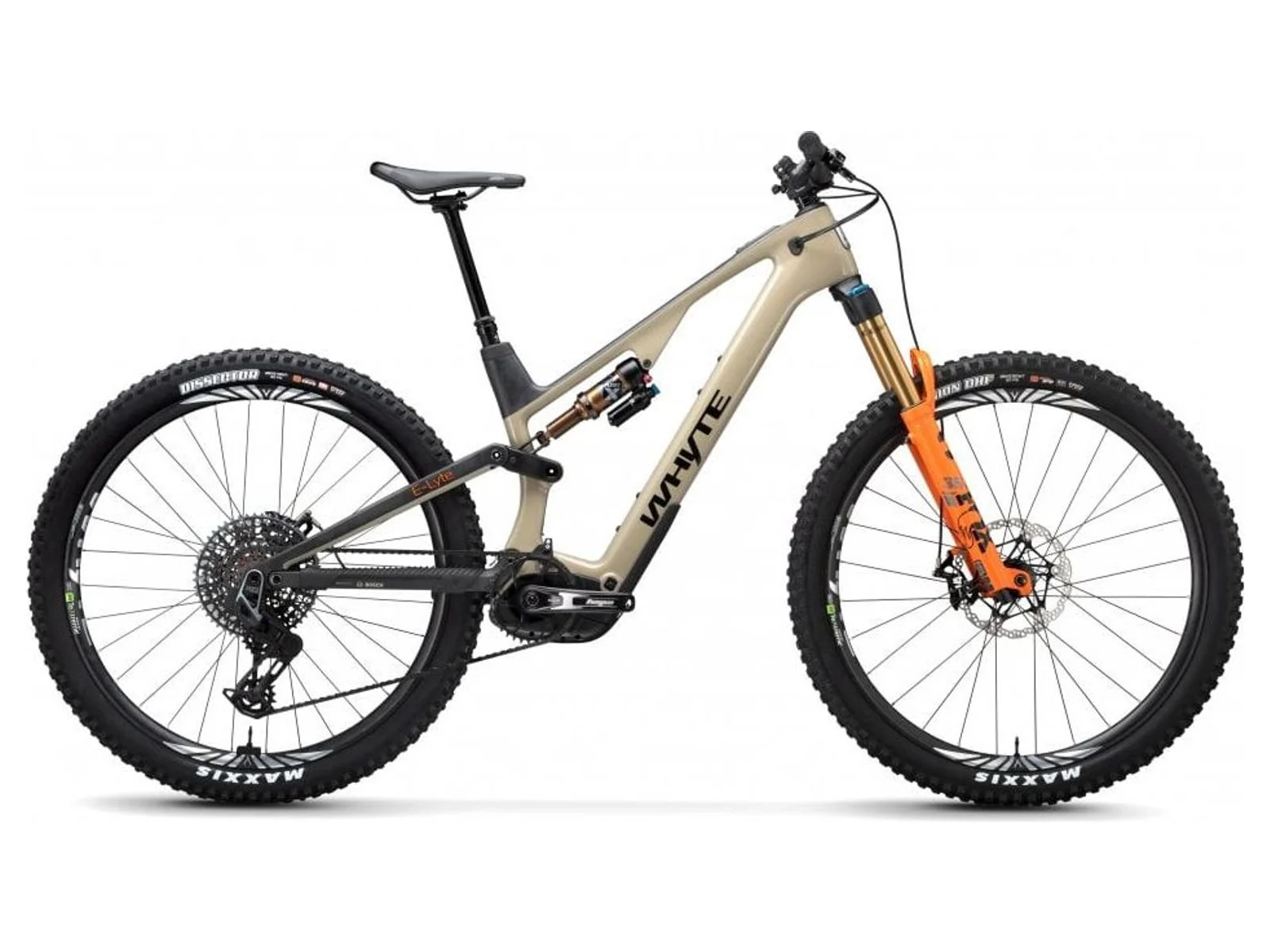
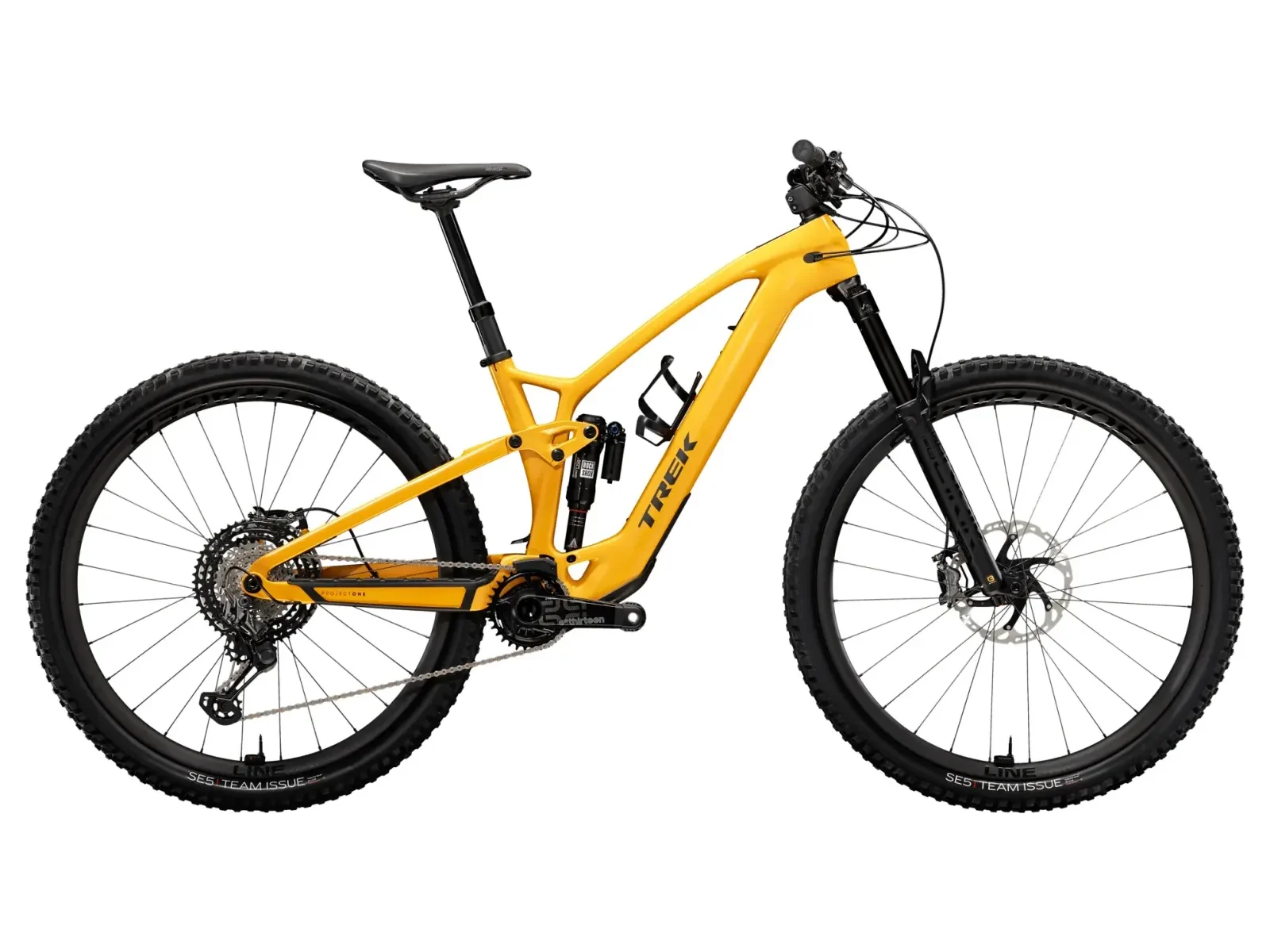
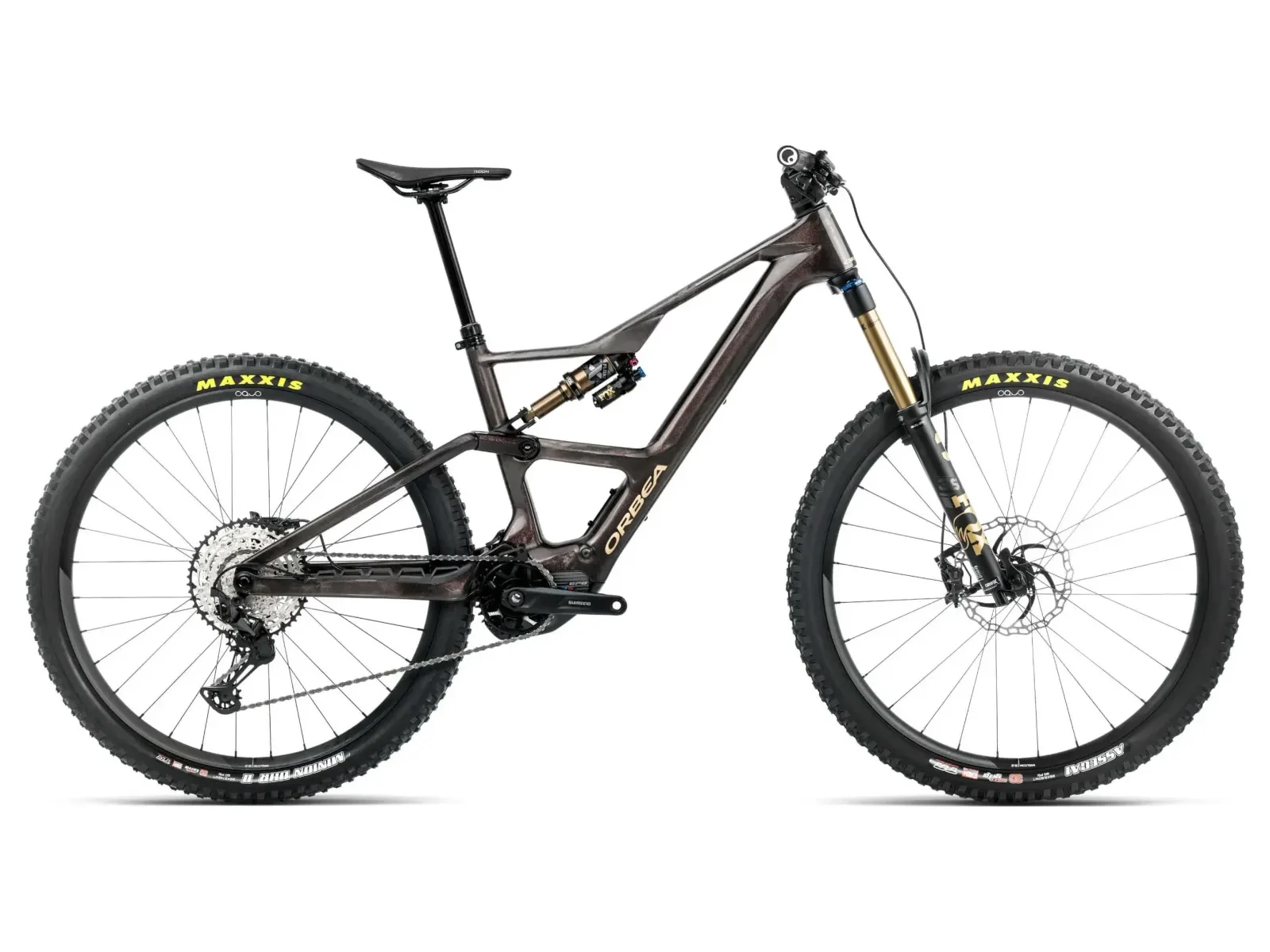
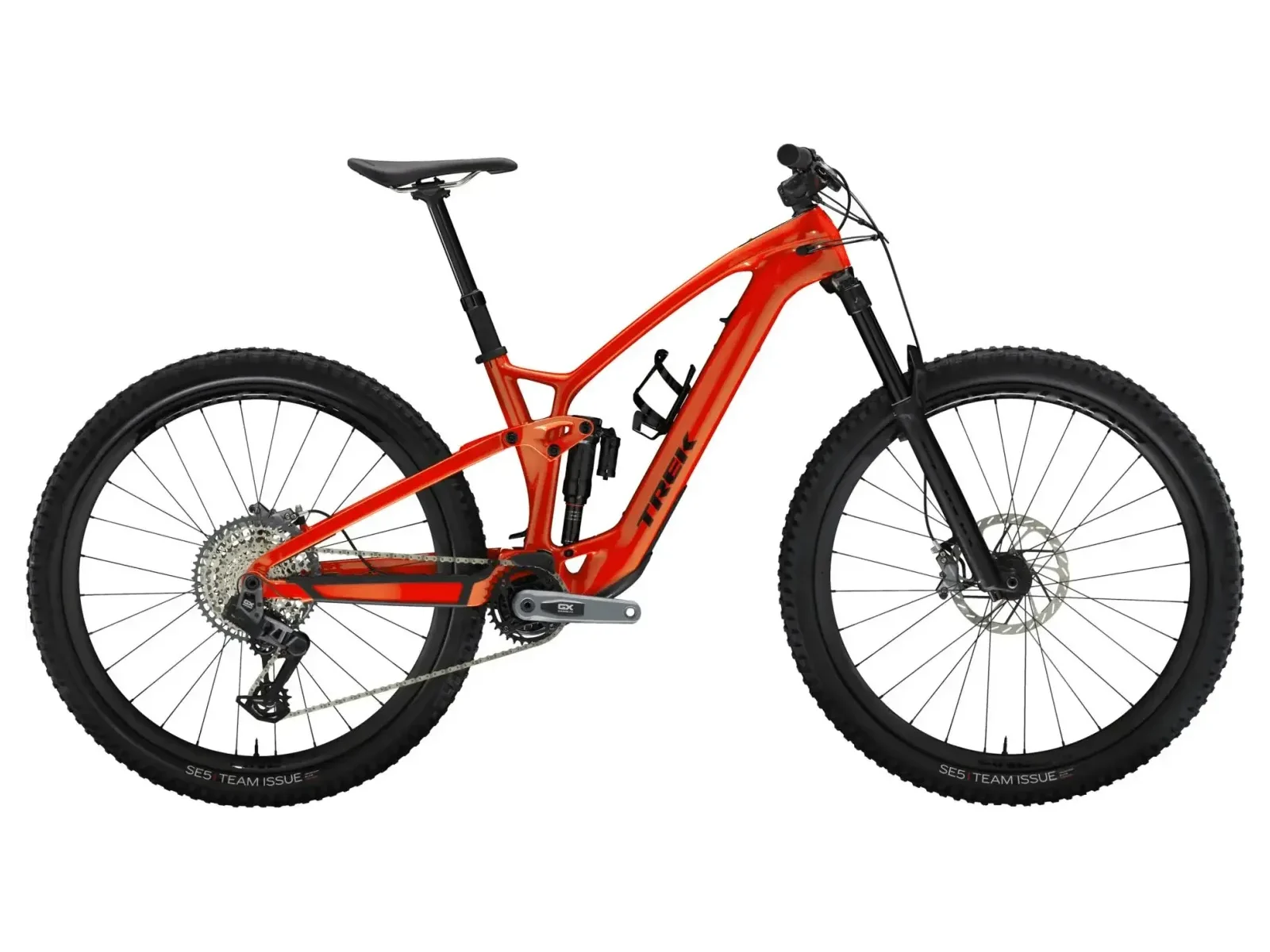
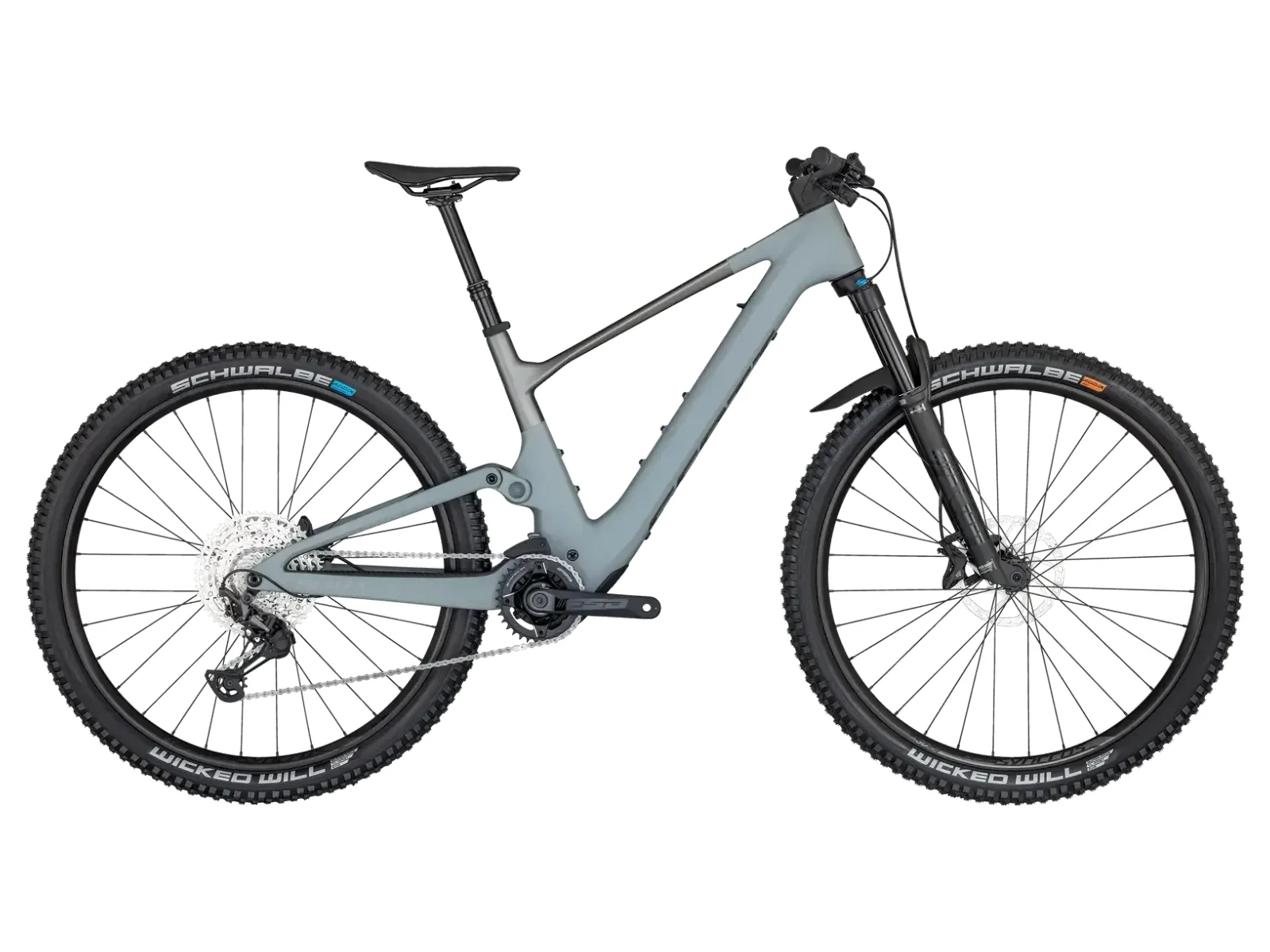
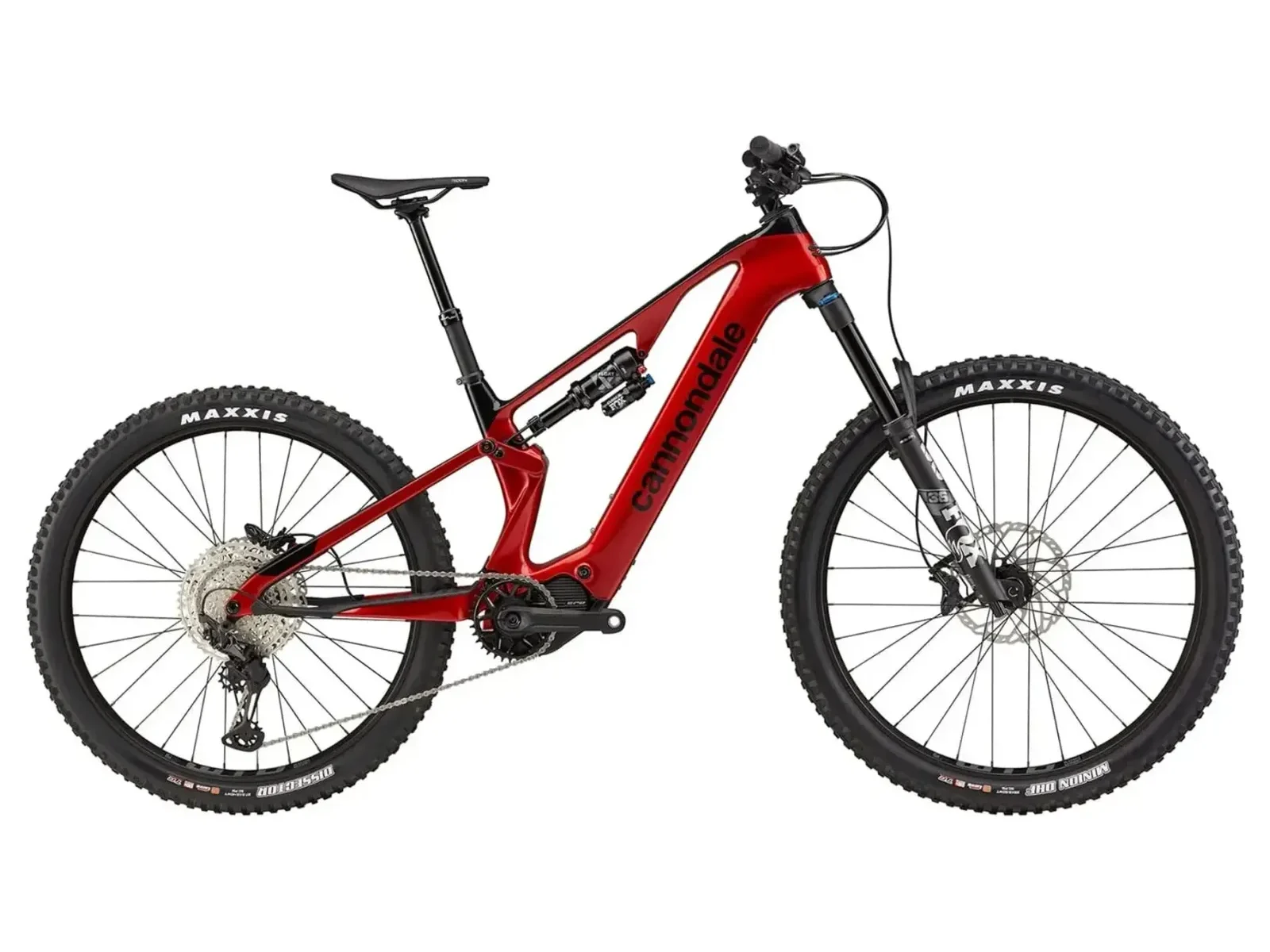
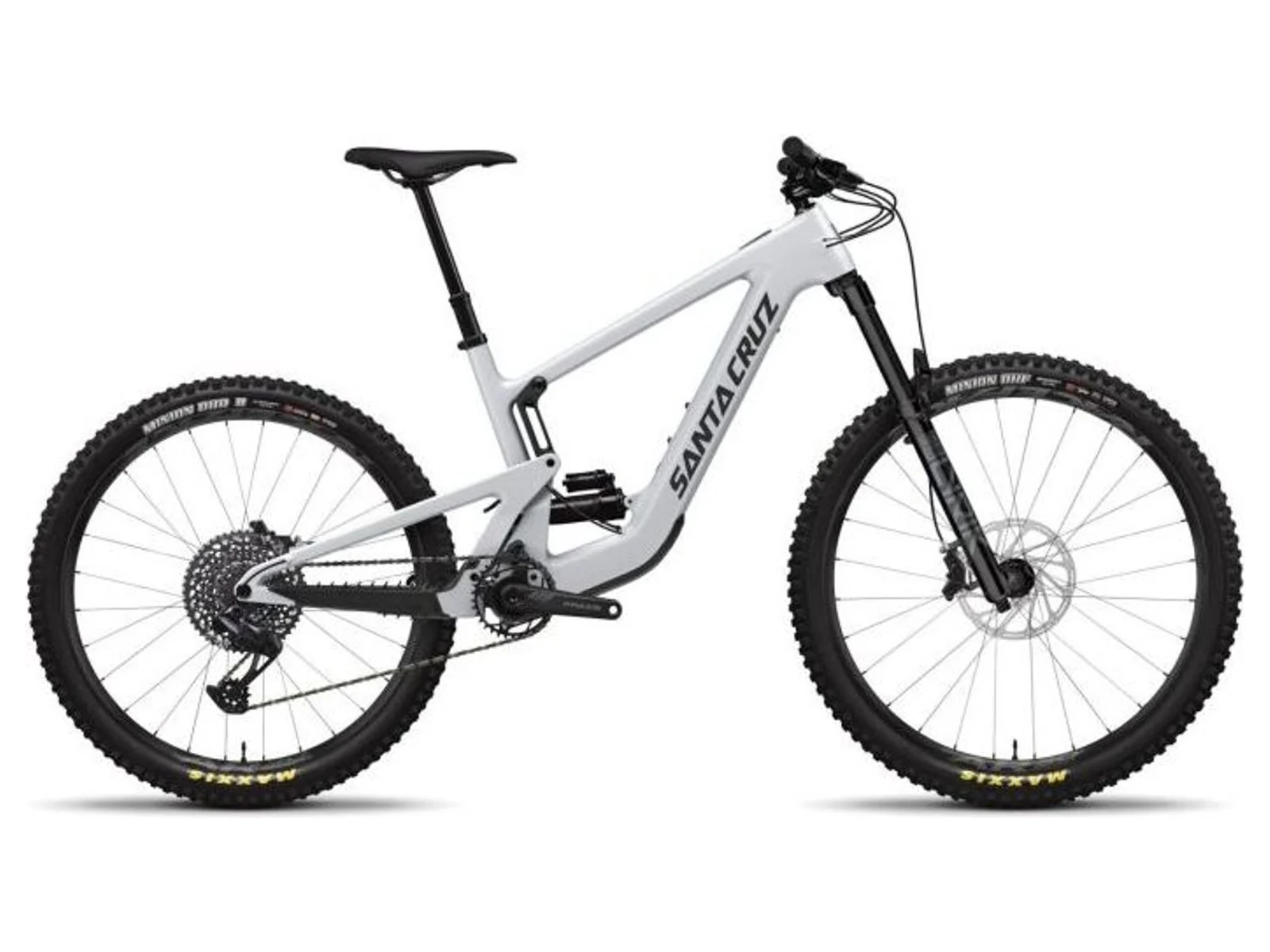
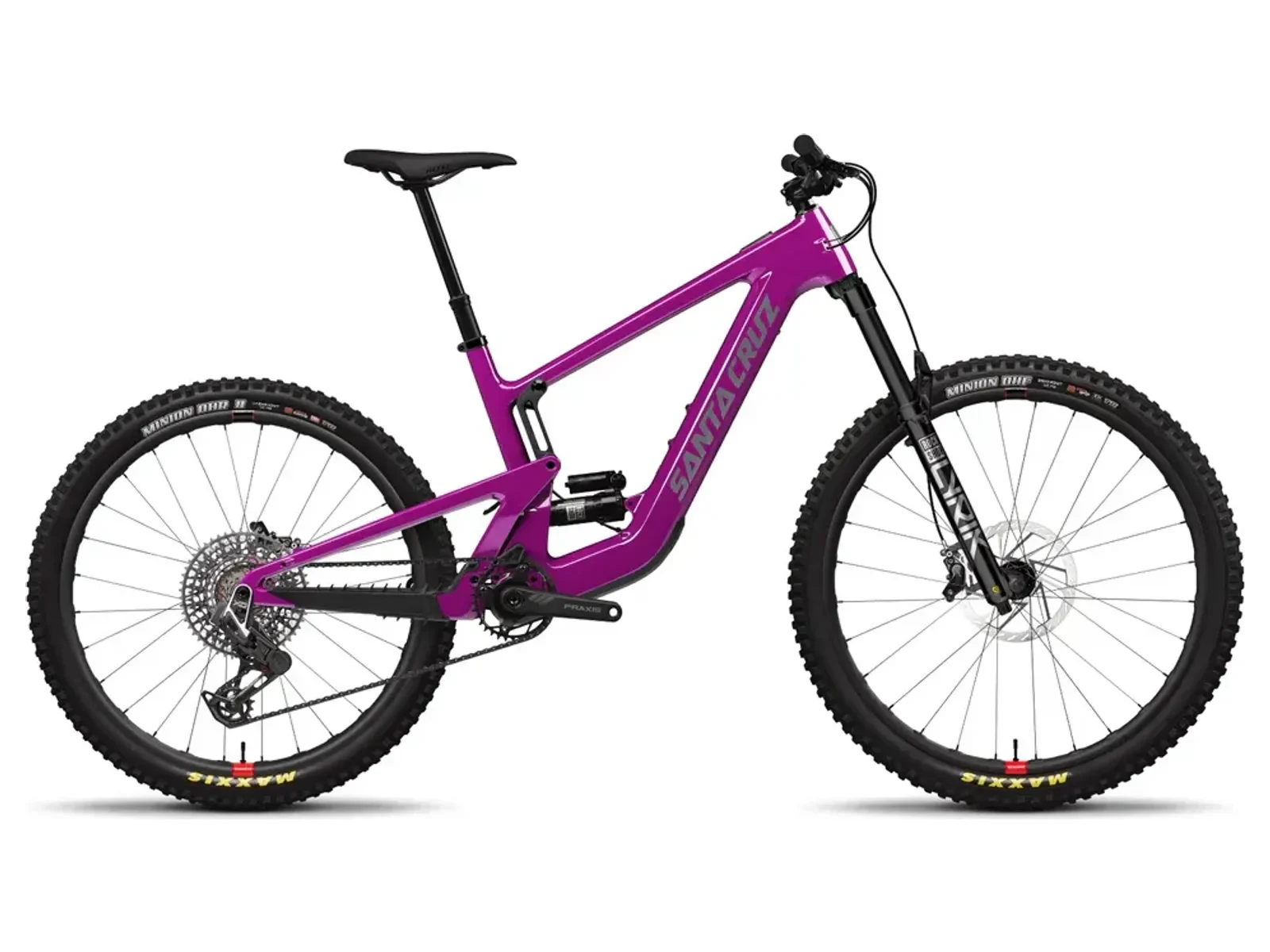
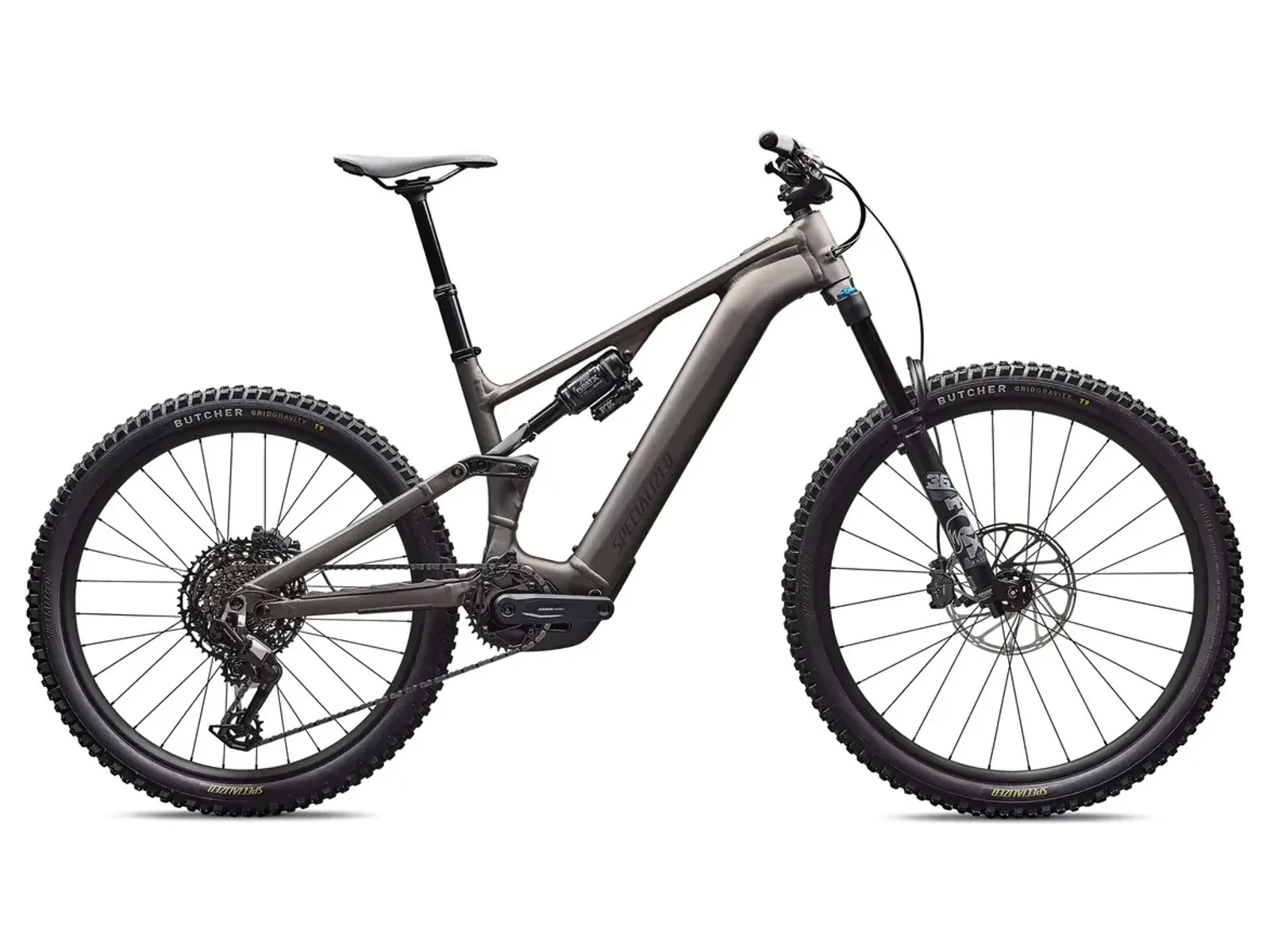
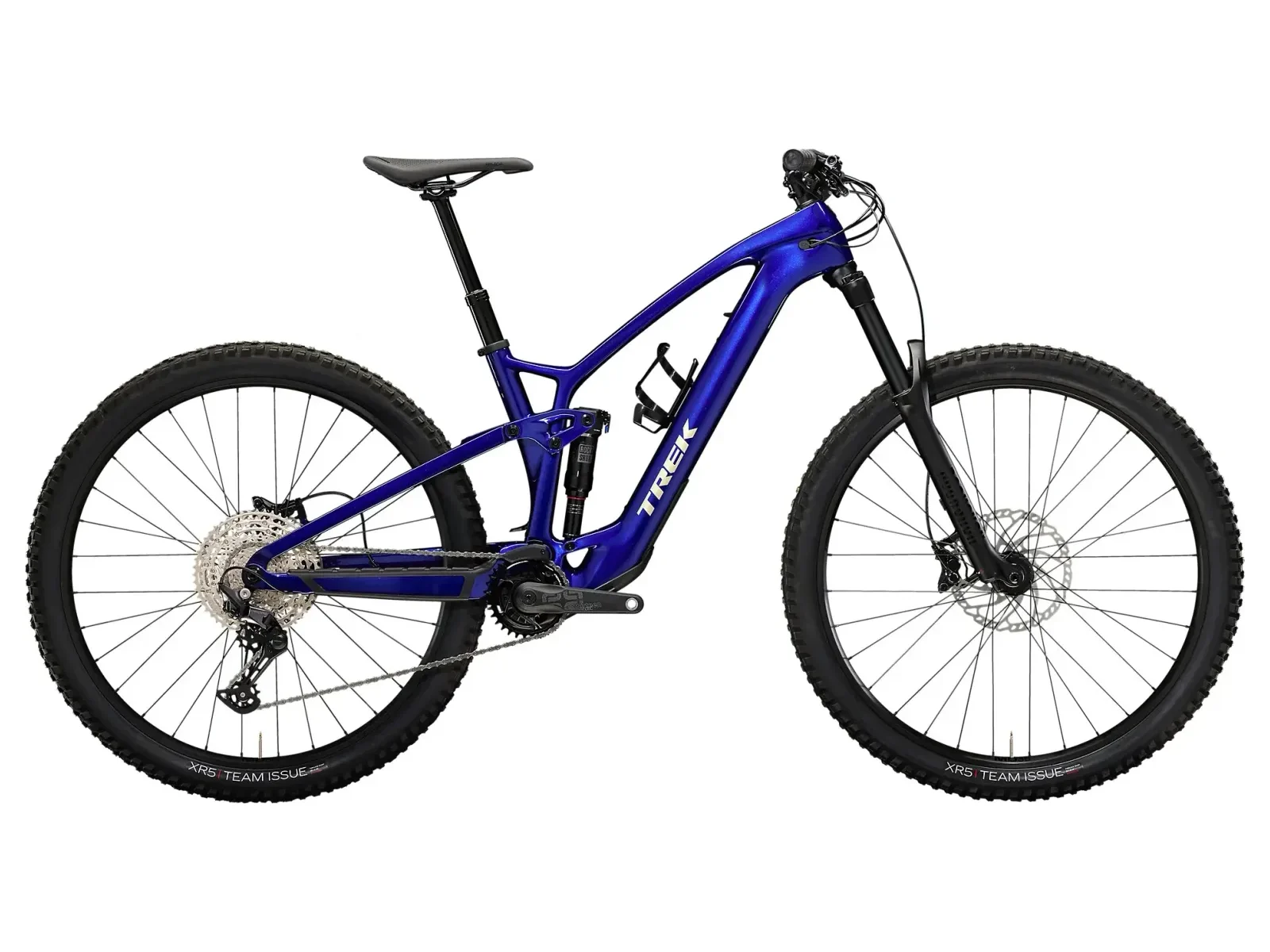
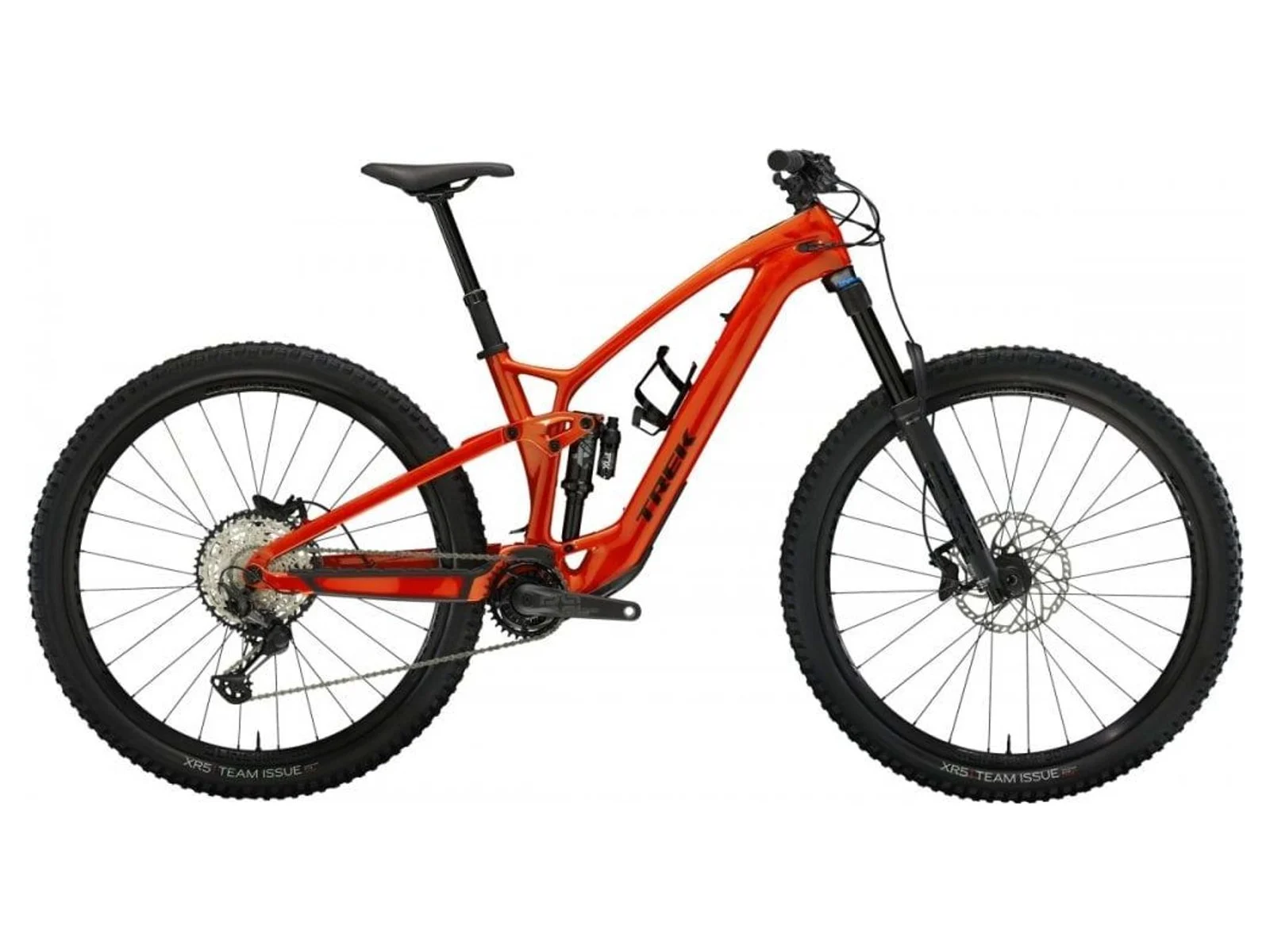
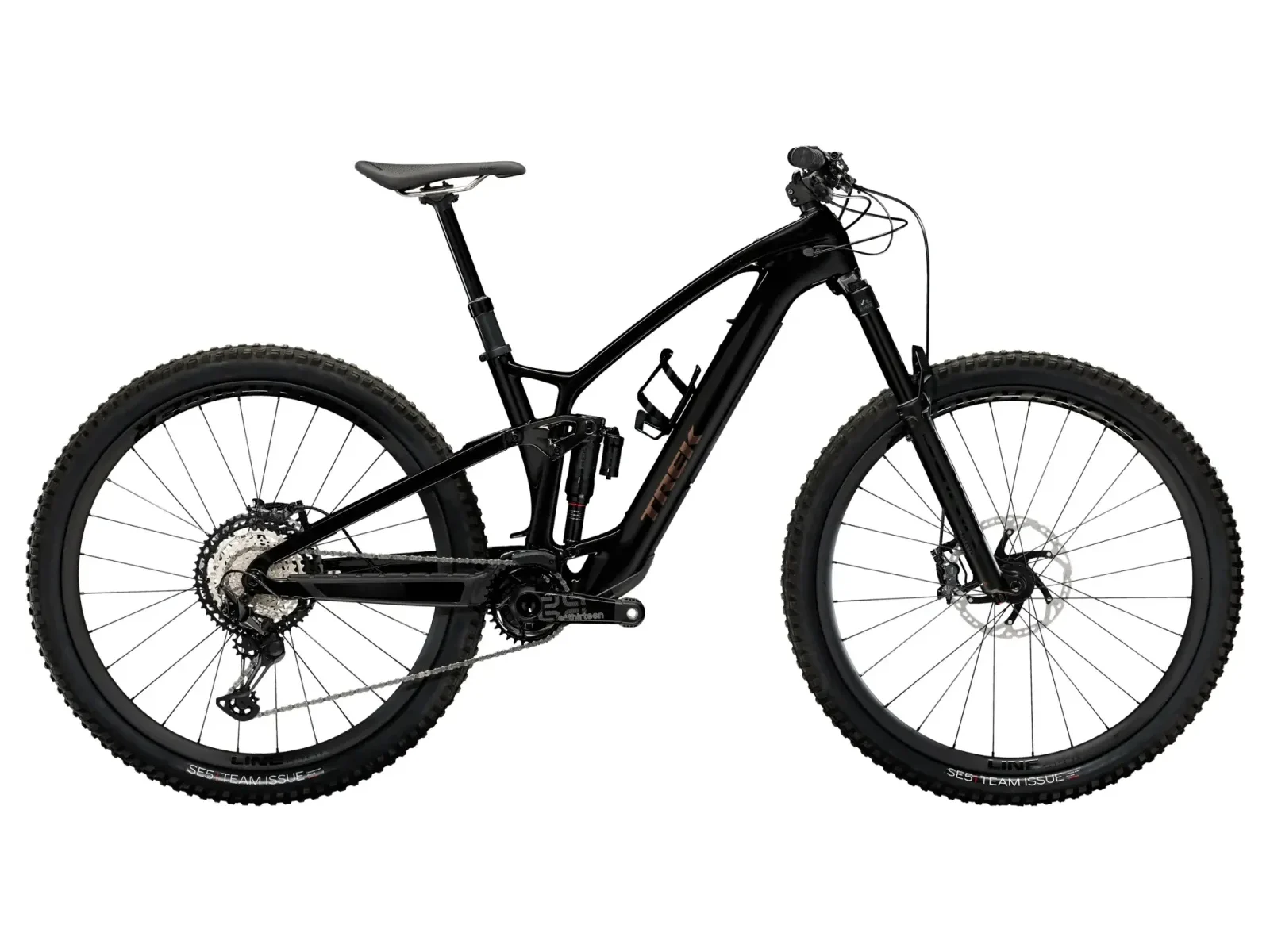
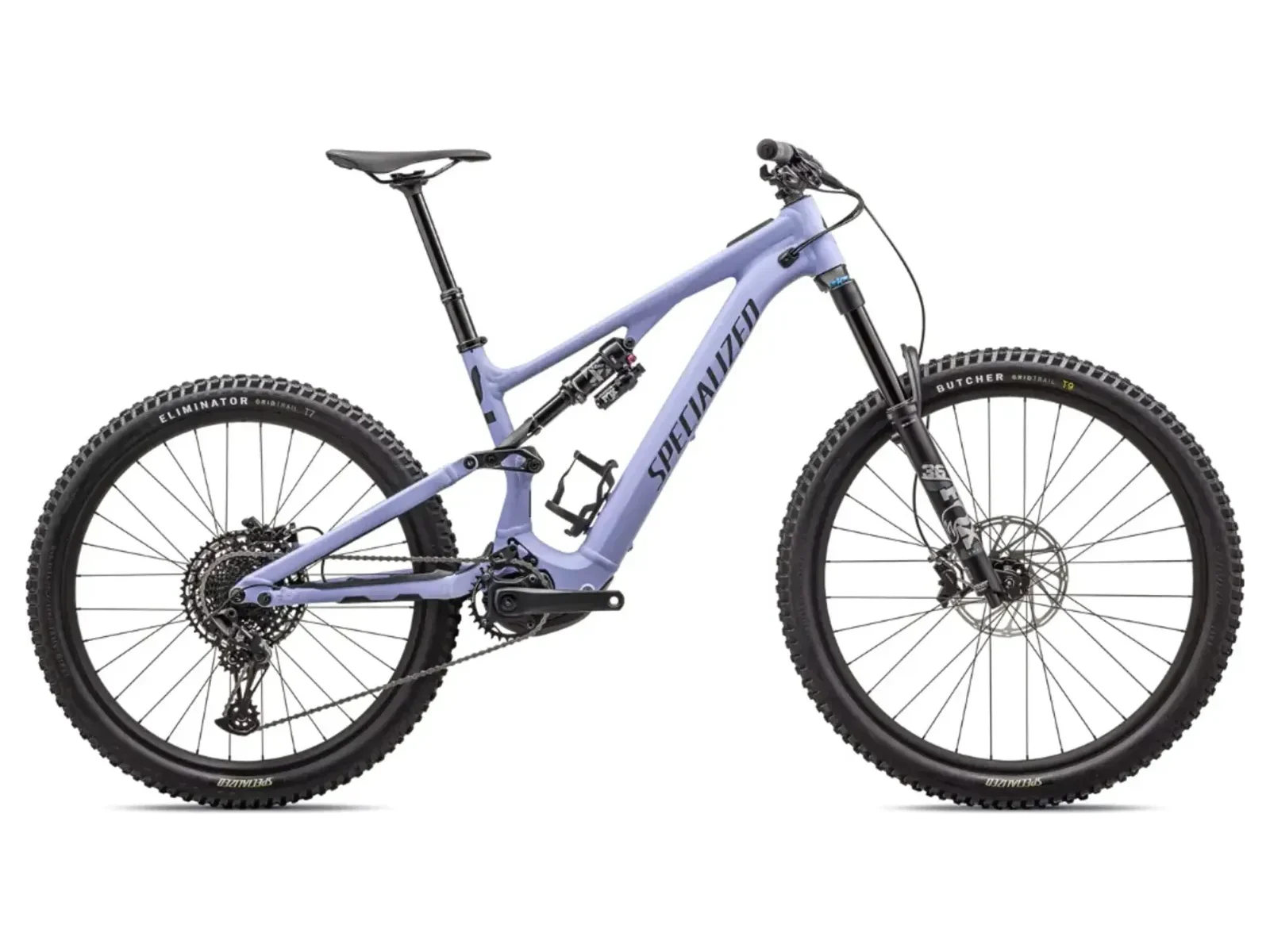
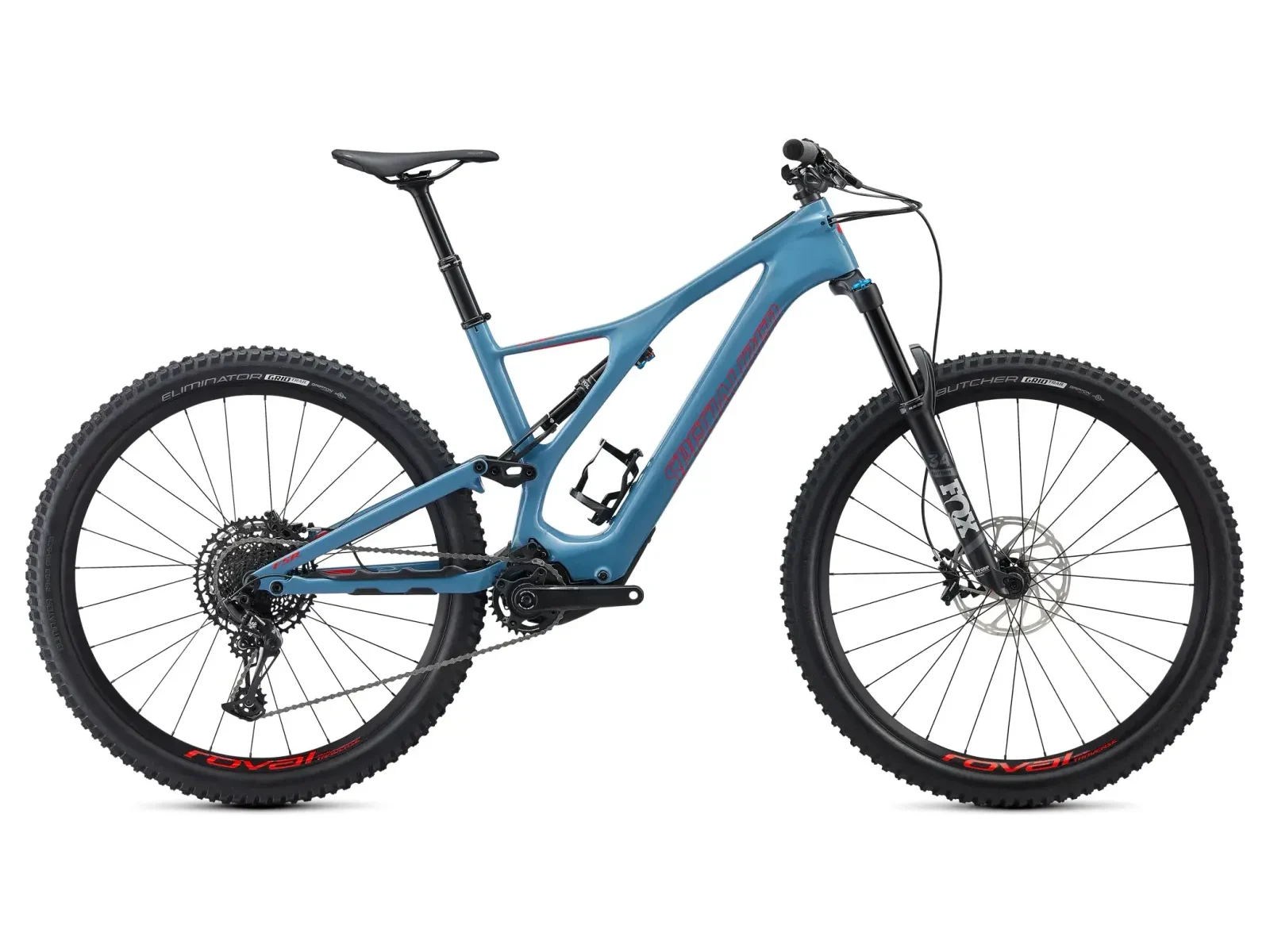
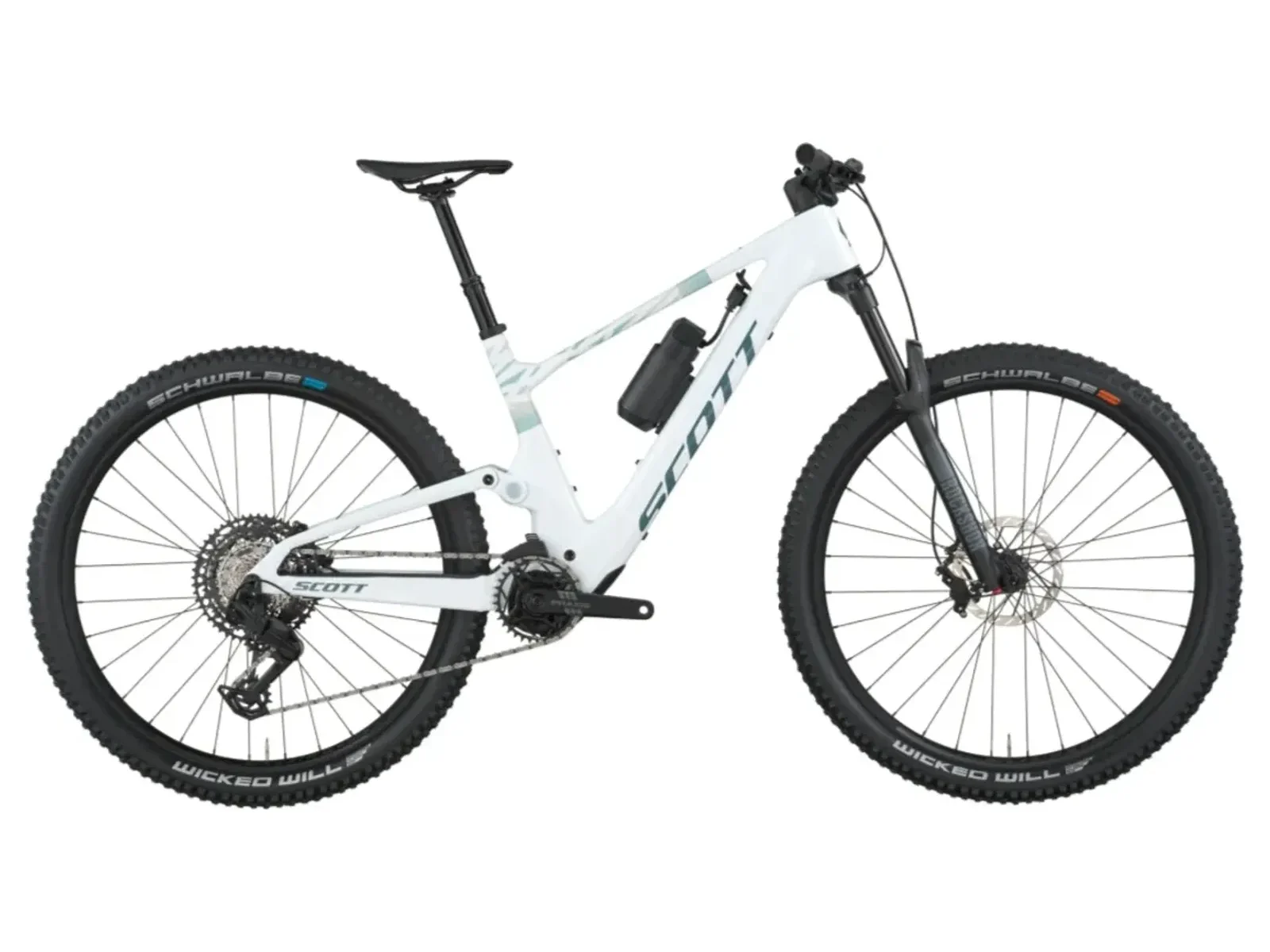
What Makes a Lightweight SL eMTB Different
A lightweight emtb — sometimes just called a light emtb — swaps a full-power motor and battery for a smaller, lighter system that trades outright torque for a ride feel closer to an unassisted bike. If you're after the lightest emtb in our range, the Orbea Rise and Trek Fuel EXe both come in well under the weight of a full-power equivalent.
We wouldn't claim to stock the single best lightweight emtb on the UK market, since that depends entirely on your terrain and budget, but across motor platforms — Shimano EP801-RS, TQ HPR50, Specialized SL 1.1 — this is where you'll find some of the best lightweight electric mountain bikes currently available here.
Frequently Asked Questions
What is a lightweight SL electric mountain bike?
An SL (Super Light) electric mountain bike uses a smaller, lighter motor — typically 1.8–2.1kg and 50–60Nm torque — compared to a full-power system at 2.9–3.5kg and 85Nm. The result is a lighter, more natural-feeling ride. Common SL motors include Bosch Performance SX, TQ HPR50, and Fazua Ride 60.
Is a lightweight eMTB better than a full-power eMTB?
Neither is universally better — they suit different riders. Lightweight SL eMTBs feel closer to an unassisted mountain bike, are accepted on more trail networks and are easier to transport. Full-power eMTBs provide significantly more climbing assistance. For fit riders on technical climbs, SL. For max assist, full-power.
What is the lightest electric mountain bike you sell?
The lightest eMTBs in our range are SL (Super Light) models from Trek, Orbea and Specialized — typically 17–19kg. The Trek Fuel EXe and Orbea Rise LT are among our lightest options. Exact weights vary by frame size and are listed in each product specification.